Guides
Celebrity businesses and investments: LA restaurant permits
Celebrity businesses and investments in Los Angeles face four gates: county health permit, ABC liquor license, city zoning, and fire and building sign-off.
What to take away
What to take away
- Celebrity businesses and investments in Los Angeles face four separate gates: the Los Angeles County health permit process, a California ABC liquor license, City of Los Angeles zoning rules, and Los Angeles fire and building permits.
- Named ventures such as Wolfgang Puck's Spago, Nobu's Los Angeles restaurant and David Chang's Majordomo still answer to county health, state ABC and local zoning review.
- The county health permit comes first because no kitchen can operate without it, and plan check can run for weeks before an inspector ever visits.
- ABC license types differ by service modelbeer and wine only, full bar, or a club license with extended hours. Each has its own approval path and protest risk.
- Zoning decides whether a room can be a restaurant at all. Parking, alcohol sales and late hours are the usual friction points in Los Angeles.
- Fire and building permits are separate from health and liquor, and a certificate of occupancy is the final gate before service.
- The money side runs on figures, not reputationcounty health plan check typically costs about $1,000 to $3,000, the annual health permit about $500 to $2,000, and a Type 47 liquor license transfer in Los Angeles County commonly asks $150,000 to $400,000.
- The realistic timeline for a celebrity venue is six to twelve months, and the name on the door does not shorten it.
Los Angeles County health permit process for celebrity restaurants
The Los Angeles County health permit process starts with a plan check, not an inspection. You submit floor plans, equipment schedules and a menu to the Los Angeles County Department of Public Health, Environmental Health Division before construction finishes. The department reviews how food moves from delivery to storage to prep to service, and where waste and grease leave the building.
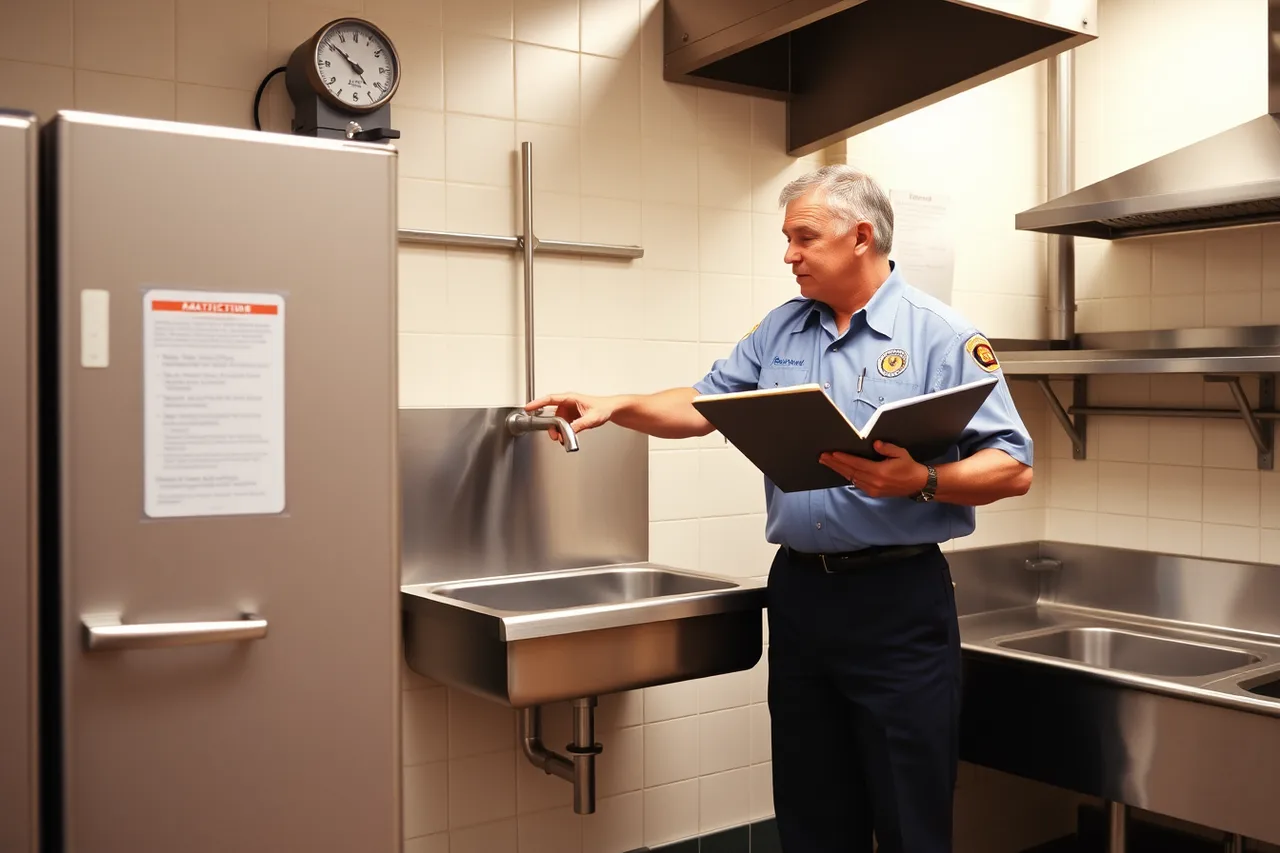
A public health permit is required for any facility that prepares or handles food for the public. The county issues it after a pre-opening inspection. That inspection covers hand sinks, refrigeration temperatures, warewashing, ventilation and pest exclusion. If the kitchen is not built to the approved plans, the inspector can require changes before the permit is issued.
Plan check fees typically run from about $1,000 to $3,000 depending on square footage and complexity, and the annual public health permit adds roughly $500 to $2,000.
Celebrity operators often inherit a former restaurant space and assume the existing health permit transfers. It does not. A new owner files a new application and pays new fees, even when the kitchen equipment stays. The county treats a change of ownership as a new facility.
Food handler cards are required for staff who touch food. A certified food safety manager must be on site during operating hours. Those are separate from the facility permit and are checked at inspection.
One practical step is to schedule the pre-opening inspection only after all equipment is installed and running. An inspection called too early produces a list of corrections and a second fee. Plan check typically takes four to eight weeks, and the pre-opening inspection is usually scheduled within one to two weeks after construction is complete. The Los Angeles County Department of Public Health publishes its plan check and inspection sequence, and following it in order saves weeks.
For operators comparing formats, the health permit burden differs by concept. A full-service kitchen with a raw bar carries more plan check detail than a counter-service room. That difference is one reason restaurant ventures examples do not carry the same licensing load.
California ABC liquor license types for restaurants
The California Department of Alcoholic Beverage Control (ABC) issues the liquor license types that matter to restaurants. They fall into a few groups. A beer and wine license (Type 41) allows beer and wine but no distilled spirits.
A full bar requires a Type 47, which is an on-sale general license for a bona fide eating place. A Type 48 is an on-sale general license for a bar or club without the eating-place requirement.
A bona fide eating place must meet kitchen and sales conditions. Food service has to be real, not a bag of chips behind the bar. The ABC looks at kitchen equipment, menu and the share of revenue from food.
Licenses are issued by the California Department of Alcoholic Beverage Control (ABC) under the Alcoholic Beverage Control Act (California Business and Professions Code Division 9), but local police or sheriff can protest an application. In Los Angeles, a new license in a high-crime or high-density area can draw a protest that delays issuance for months. Buying an existing license from a closing restaurant is common, but the transfer still requires ABC approval and local notice.
A Type 47 license is often the most expensive and hardest to obtain in Los Angeles because the county is at its statutory limit for on-sale general licenses. That cap means new full-bar restaurants usually buy an existing license rather than apply for a new one.
Typical asking prices for a Type 47 transfer in Los Angeles County run from about $150,000 to $400,000, though prime locations and clean operating history can push higher.
The ABC also regulates service hours, signage and employee training. Alcohol servers must complete a state-approved training program, such as the ABC's Licensee Education on Alcohol and Drugs (LEAD) program. A conditional license can restrict hours or require security, and those conditions run with the license.
For a chef whose name is the draw, the license is still personal to the operator. A celebrity endorsement does not transfer with the liquor license.
City of Los Angeles zoning rules for restaurant locations
City of Los Angeles zoning rules decide whether a site can host a restaurant at all. The Los Angeles Municipal Code (LAMC) zoning provisions separate eating and drinking uses, and a full bar is treated differently from a cafe. Some zones allow restaurants by right, others require a conditional use permit, and some prohibit alcohol sales entirely.
Parking is the most common obstacle. Los Angeles has parking requirements tied to seats and square footage, and many older buildings do not have enough. A conditional use permit or a parking variance can resolve it, but each adds a public hearing and months of process. Neighborhood councils and adjacent property owners can weigh in.
Typical requirements call for one space per four seats, or about one space per 100 square feet of floor area, though specific plans and zones vary.
Alcohol sales near schools, churches and other sensitive uses face distance requirements. Late-night hours can trigger additional conditions. Outdoor dining on a sidewalk or parking lot needs its own approval, separate from the restaurant permit.
A celebrity chef restaurant in a historic building may also face historic preservation review. Exterior changes, signage and even some interior work can require a certificate of appropriateness. That review runs on its own schedule.
Zoning is where the address matters more than the brand. A site that worked for one concept may not work for another because the use classification changes. Operators who map the zoning before signing a lease avoid the most expensive mistake in the process.
Los Angeles fire and building permits for celebrity venues
Los Angeles fire and building permits are separate from health and liquor approvals, and they are often the slowest. The Los Angeles Department of Building and Safety issues building permits, and any change to a commercial space requires one. The plan check covers structural, electrical, plumbing and mechanical work. A change of use, such as retail to restaurant, triggers additional requirements.
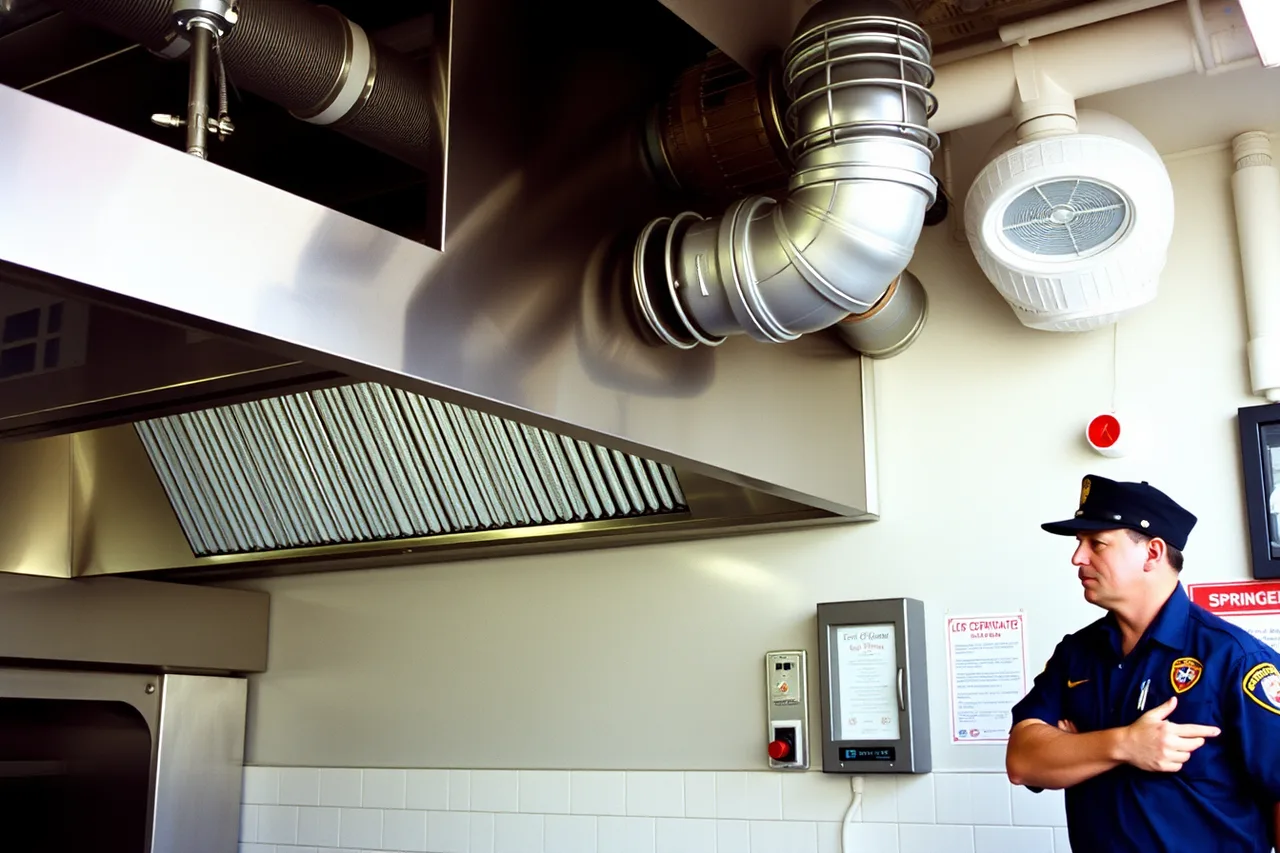
The Los Angeles Fire Department reviews occupancy, exits, sprinklers, fire alarms and commercial kitchen hood systems. A restaurant hood and duct system needs its own permit and inspection. Fire clearance is required before the Los Angeles Department of Building and Safety issues a certificate of occupancy.
A certificate of occupancy is the final gate. Without it, the health permit cannot be finalized and the doors cannot open. Inspectors from building, fire and health each sign off on different parts of the same room, and one missing sign-off holds the rest.
Celebrity venues sometimes add valet areas, red carpet zones or temporary structures. Each of those can require a separate permit. A tent or platform in a parking lot is not automatically allowed because it is temporary.
For a portfolio with several addresses, permits do not carry across locations. Each address gets its own set, which is why restaurant ventures portfolio planning treats every site as a standalone project.
How celebrity businesses work through the Los Angeles permit timeline
The realistic sequence for a Los Angeles restaurant runs six to twelve months from lease to opening. The order matters, because some approvals depend on others.
- Confirm zoning and use classification for the address before signing the lease. A conditional use permit, if needed, can take months on its own.
- Submit building and fire permit applications with complete plans. Incomplete plans are the main cause of delay.
- File the Los Angeles County health permit application and plan check while construction is underway.
- Apply for or transfer the California ABC liquor license early, since protests and transfers add time.
- Schedule inspections in orderbuilding, fire, health, then certificate of occupancy.
The operators who open on time treat the licensing calendar as the project schedule, not a formality after the design.
California business taxes and filings run alongside the local permits. The state Franchise Tax Board handles business filing information for the entity that will hold the lease and license, and its FTB business filing information pages cover the forms a new restaurant company needs.
The same agency's California business tax registration | FTB.ca.gov pages cover registration and account setup for the entity that will hold the lease and the ABC license.
Use this checklist before opening day.
- Zoning confirmed for restaurant use, including alcohol and outdoor dining.
- Conditional use permit or variance approved if required.
- Building permit issued and construction inspected.
- Fire clearance for hood, exits and occupancy.
- Los Angeles County health permit issued after pre-opening inspection.
- California ABC liquor license issued or transferred, with conditions reviewed.
- Certificate of occupancy in hand before service begins.
A common failure is opening softly before every sign-off is complete. The health department can close a room that serves food without a permit, and the ABC can pull a license for serving alcohol outside its conditions. Press attention makes those closures worse, not better.
The pattern behind many restaurant ventures failures is a compressed timeline that skipped a permit, not a bad concept.
Judging a room on opening night misses the work that made it legal. The lease, the plan check and the inspections are the real story, which is why restaurant ventures are best read as licensing projects with a menu attached. A clear restaurant ventures timeline shows how long each stage actually takes.