Features
Part of Why Restaurant Ventures Can't Be Judged by Opening Night
Restaurant ventures examples: what a famous name does
Restaurant ventures examples show how a celebrity name fills rooms, anchors a chain or licenses a menu, and where operating and reputation risks sit.
The restaurant ventures examples here show that the useful question about a venue with a famous name is not whose it is. It is which format it is, because the format decides who runs the kitchen, what the name actually does, and what ends the arrangement.
These examples focus on what the celebrity name contributes. Named examples illustrate flagships, chains, hotels, concessions and delivery-only brands; pop-ups and residencies are discussed as a general format. The common thread is the name's operating role and its exposure when another party runs the kitchen.
What to take away
- The format sets the operator. A hotel restaurant is run by the hotel; a stadium outlet by the concessionaire; a delivery brand by whichever kitchens sign up.
- The name does a different job in eachit fills a room, sells a lease, licenses a menu, or decorates a space that would exist anyway.
- The ending is fixed by the format too, and in most of them it is a contract expiring rather than a business failing.
- Read the Franchise Disclosure Document (FDD) required by the FTC's Franchise Rule before treating a franchise offering as an investment. Items 5 and 6 cover initial and other fees, Item 7 the estimated initial investment, and Item 20 outlets and franchisee information.
What the name does across restaurant formats
Example
- Flagship
- Nobu Downtown, Manhattan
- Fast-casual chain
- Wahlburgers
- Hotel venue
- Gordon Ramsay at the London, New York
- Concession
- Guy Fieri's outlets in airports and arenas
- Delivery-only
- Guy Fieri's Flavortown Kitchen
- Pop-up or residency
- Danny Meyer's Porchlight-era collaborations
Who operates it
- Flagship
- Nobu Hospitality, in a leased room
- Fast-casual chain
- Franchisees and company units
- Hotel venue
- The hotel, under contract
- Concession
- Delaware North and other concessionaires
- Delivery-only
- Virtual Dining Concepts, using other kitchens
- Pop-up or residency
- A host venue, for a fixed run
What the name does
- Flagship
- Fills the room, justifies the rent
- Fast-casual chain
- Anchors the brand across sites
- Hotel venue
- Sells the hotel as much as the food
- Concession
- Licenses a menu to captive traffic
- Delivery-only
- Puts a name on a screen listing
- Pop-up or residency
- Generates an event with an end date
The flagship
Nobu Downtown is the clearest case. Nobu Hospitality, the group behind it, holds a lease and runs the kitchen with a named chef. The famous name fills it in month one and is expected to keep filling it.
The economics are the ones on the restaurant ventures page: fixed seats, committed rent, a fit-out that cannot be resold. The name's job is to make the rent affordable. The risk is that it makes a rent the room cannot carry look affordable.
The fast-casual chain
Wahlburgers, founded by the Wahlberg family, runs company-owned units and franchisees. The name sits on the fascia of every site, but whoever holds each unit makes the operating decisions.
A franchisor's obligations are set by the Franchise Rule. When the name is licensed, the celebrity is two contracts away from any kitchen. The franchises and licensing page covers what a franchisor must disclose.
The hotel venue
Gordon Ramsay's New York restaurant at the London hotel is the textbook case. The hotel owned the fit-out, employed the staff and held the license. Ramsay supplied a concept and a menu under contract.
When a hotel changes management company, its restaurant contracts often change with it. That restaurant closed in 2014 after the hotel changed hands. It can trade well and still close.
The concession
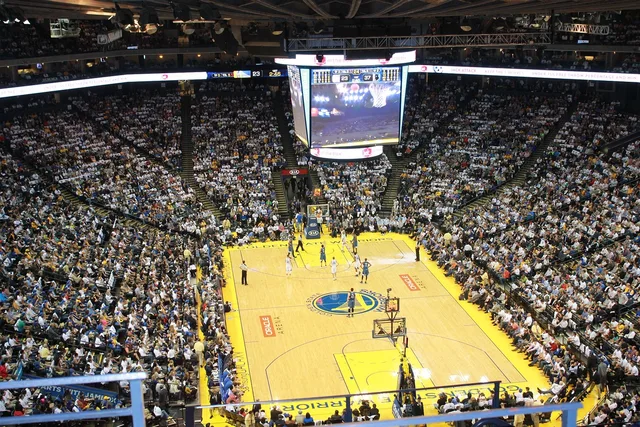
Airports and arenas have captive traffic and lease space to concessionaires. Guy Fieri's airport and arena outlets sit inside that arrangement, run by operators such as Delaware North. A name is licensed for a menu and a fascia.
The celebrity holds no lease, no staff and no equipment. The outlet lasts as long as the concession contract, which follows the venue's tendering cycle, not demand.
The same arrangement works afloat. In 2011 Fieri partnered with Carnival Cruise Line to create Guy's Burger Joint, selling his burgers fleet-wide on Carnival's ships. The cruise line runs the galleys and the passengers are as captive as any airport crowd; the name supplies the menu and the sign.
The delivery-only brand
Guy Fieri's Flavortown Kitchen, a delivery-only restaurant Fieri opened in 2021, is the reference. Virtual Dining Concepts licenses the name and menu to existing kitchens, sold through delivery apps. There is no room. The name has to stand out in a list on a screen.
The format has the lowest fixed cost here and the least control. The celebrity cannot know which kitchen cooked a given order. Platform terms set the margin. Customer complaints about a Flavortown Kitchen order land on the name, whichever kitchen cooked it, which is the format's exposure in one line.
The pop-up or residency
The table's pop-up entry is a format sketch, not a named venue. A pop-up or residency is a fixed run in a host venue. The celebrity name is attached to a limited event rather than a permanent room.
Its end date is part of the arrangement, set before the first service. A planned close is not, by itself, evidence of failure.
Records to verify
- Who holds the license for the premises? Retail food permits are issued locally under an adopted version of the FDA Food Code. The answer identifies the operator and usually the format.
Five Questions to Identify a Format
- Who holds the license for the premises?
- Is there a lease, and who guaranteed it?
- Is there a term?
- Who employs the kitchen?
- What verb did the announcement use?
- Who actually runs the kitchen?Identify the unit operator and who employs the staff. Do not treat the name on the sign as proof that the celebrity controls daily operations.
- What does the celebrity contribute?Check whether the arrangement involves equity, a name license, a concept or a menu. Separate ownership of the brand from ownership of the venue.
- What can end the arrangement?Check the relevant lease, concession or license agreement for its term, renewal provisions and termination conditions. For a franchise, read the FDD alongside the franchise agreement rather than assuming the celebrity's involvement lasts as long as the outlet.
Common questions
Which format carries the most risk for the named person?
The flagship, if they hold equity in the venue entity or guaranteed the lease. Every other format is usually a license or a contract with a term, where the exposure is future income. Confirm any stake through the state LLC registry or the relevant SEC filing, not a press release.
Why do hotel restaurants with famous names close so often?
Because the contract follows the hotel's management arrangement, and those change. The Ramsay restaurant at the London is the case in point. The restaurant can be trading well and still close when the hotel's operator does.
Is a delivery-only brand a real restaurant?
It is a real license. Whether it is a restaurant depends on the definition; it has a menu and customers and no premises of its own. The Flavortown Kitchen complaints show what happens when that gap is not managed.
Do formats change over a venue's life?
Often. A flagship spawns a chain; a residency becomes a permanent room; a chain brand becomes delivery-only after its sites close. The celebrity companies by industry page explains why food service pushes toward licenses at every stage.
Related reading on this site: celebrity brands sets out what a name buys a venture at launch, and where the buying stops.