Industry
Part of 8 signs a fashion or beauty brand is worth the money it asks for
Fashion beauty ventures grouped by category, and what each group risks
Fashion and beauty ventures grouped by category, with the named brands in each, the operator behind them and the specific risk that group carries.
A name on a label tells you who is being paid, not who is doing the work. The category tells you the rest: who manufactures, who holds the inventory, who carries the mark, and how the venture ends.
Below are the groups these ventures fall into, the named brands in each, and the risk each group carries.
What to take away
- The operator, not the founder, decides whether a beauty line survives its first year.
- Where a category needs a specialist, the mark is usually licensed, and the register shows it.
- Fast-depreciation categories hand markdown risk to whoever owns the unsold stock.
- High-variant ranges are forecasts, and their edges are already unsold at launch.
- Every claim about a named venture should trace to a filing, a register or a licence.
Skincare and color cosmetics
Skincare is the easiest beauty category to enter and the fastest to commoditise. Kylie Skin launched in 2019 with Seed Beauty, the same California contract manufacturer behind Kylie Cosmetics and ColourPop. Seed Beauty's model was to build the product, the lab work and the fulfilment, leaving the name to do the selling.
Skincare vs color cosmetics
Skincare
- Entry
- Easiest
- Risk
- Rented capability
- Example
- Kylie Skin
- Operator
- Seed Beauty
- Launch
- 2019
Color cosmetics
- Entry
- Harder
- Risk
- Unsold shade edges
- Example
- Fenty Beauty
- Operator
- Kendo
- Launch
- 2017
The risk is that the capability is rented. When Coty bought 51 percent of Kylie Cosmetics in 2019 for a reported $600 million, the brand's manufacturing stayed with a partner Coty did not control. Coty later wrote down the value of that stake. The fashion beauty ventures page tracks how those write-downs are disclosed.
Color cosmetics multiplies the problem. Every product needs a shade range wide enough to be credible, and the unsold edges of that range sit in a warehouse. Fenty Beauty launched in 2017 with 40 foundation shades through LVMH's Kendo division, which is the operator. Kendo builds the product; Rihanna's company holds the name.
Ingredient and claims rules sit on top of all of it. The FDA's MoCRA framework sets facility registration and adverse-event reporting for cosmetics sold in the United States. A brand that cannot staff that function licenses to someone who can.
Fragrance
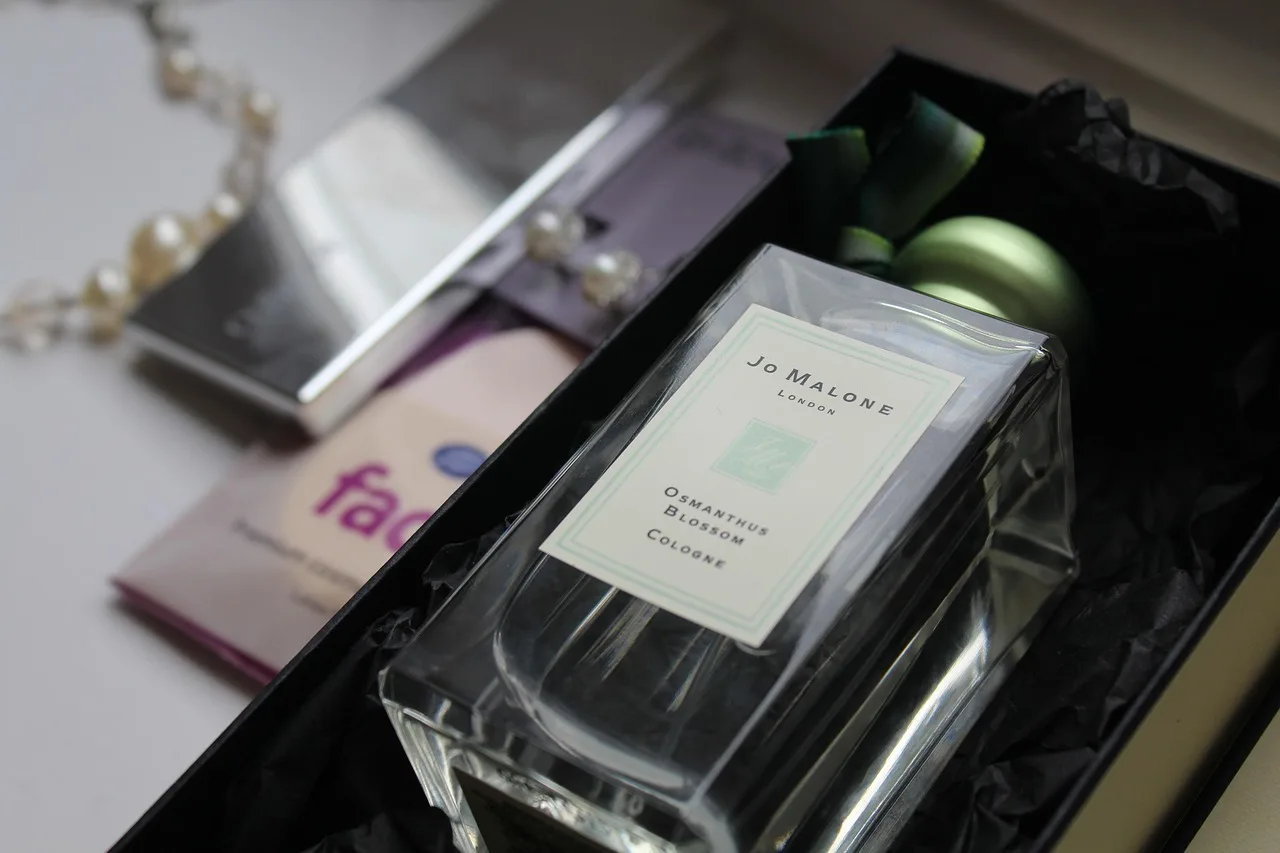
Fragrance keeps its value, which makes it the friendliest category for a licensor. Ariana Grande's Cloud, launched in 2018 with Luxe Brands, and the rest of her fragrance line are licensed arrangements. The fragrance house formulates, bottles and ships; the name receives a royalty.
The risk is concentration. One house can hold several celebrity licences at once, so a single contract dispute or a change in the house's strategy affects multiple names. Read the licence term before the royalty rate.
Apparel, footwear and eyewear
Apparel depreciates faster than anything else on this list. A seasonal range is worth a fraction of its cost within months, and returns from retailers push the loss back up the chain.
Jessica Simpson's namesake brand is the clearest case. Sequential Brands Group bought the majority of it in 2015 for about $117 million, then sold the whole business to Authentic Brands Group in 2021 for roughly $325 million. The brand outlived the operator because the mark, not the inventory, was the asset.
Footwear and eyewear run on licences held by a handful of specialists. Eyewear in particular is dominated by EssilorLuxottica, which holds prescription and sunglass licences for multiple names. Nobody builds lens supply and optical retail relationships to launch one brand.
Supplements, hair and nails
Supplements sold as beauty carry the heaviest claims burden, and the rules differ by country. Health Canada licenses cannabis and natural health products separately from the FDA, so a product sold in both markets needs two compliance paths.
Haircare and nail lines sit closer to skincare: contract manufactured, moderate variant counts, shelf life that matters. Tracee Ellis Ross's Pattern, launched in 2019, is built around textured hair, which narrows the range and the forecast.
Hospitality and media as adjacent categories
Not every name-attached venture is a product. Restaurant groups, hotel partnerships and podcast networks carry the same question: who operates, who owns the mark, and who absorbs the loss.
A restaurant licence is a franchise relationship. The FTC Franchise Rule requires a Franchise Disclosure Document with Items 5, 6, 7 and 20 covering fees, royalties, restrictions and outlet counts. The franchises and licensing page covers how those items read.
Media ventures are different again. A podcast network splits revenue between host, producer and distributor, and the split decides who survives a slow quarter.
How to check any single venture
Start with the category, then work outward.
How to check a venture
- Identify product category and operator type
- Search trademark database for mark owner
- Find operating entity in state registry
- Request licence or franchise disclosure document
- Date every claim to a filing or register
The celebrity brands page explains how to read a register entry for a licensed mark. The portfolio case studies method applies the same steps to a single venture end to end. For the wider map, see celebrity companies by industry.
None of this is investment, tax or legal advice. The SEC and FINRA regulate securities, and a licensed adviser handles personal positions. Franchise examiners in your state review disclosure documents; your own attorney reads the contract.
Common questions
Which category is easiest to launch into?
Skincare and haircare, because contract manufacturers supply the product and the range is small. Easy to launch is also easy for everyone else, so the name's advantage is shortest there.
Which carries the most inventory risk?
Apparel and footwear. Seasonal demand, many variants and retailer returns mean the unsold stock loses value fastest, and the licensee usually owns it.
Why is eyewear almost always licensed?
Because EssilorLuxottica and a few peers hold the lens supply, the optical retail relationships and the tooling. Building that to launch one name does not pay.
Does the category decide how a venture ends?
Often. Fast-depreciation categories end in a bad season, regulated ones end when the operator walks, and licensed ones end quietly at renewal.