Rules
Part of Acquisitions and exits: reading deal mechanics
Acquisitions and exits by industry: what doesn't transfer
Acquisitions and exits by industry: what doesn't transfer in a sale — leases, permits, music and guild rights, league approvals and name licenses.
Every sale of a business is the same transaction on paper and a different problem in practice. The difference is not the price. It is the list of things that have to move from the seller to the buyer before the business still works on the Monday after closing.
This page is the acquisitions and exits by industry map: what a buyer in each category is actually acquiring, what refuses to transfer without someone else's permission, and which of those permissions can be withheld. It runs from food service and beauty to media, sports and technology, and it lands on the asset that is specific to a famous name.
What to take away
- The hard part of a sale is consentleases, licenses, supply contracts and regulatory permits often need a third party to agree before they move.
- The asset that fails to transfer is usually the one nobody listed, because it was never written down as an asset.
- Sector decides the gatekeeper. A landlord, a health or liquor authority, the FCC, a league or a guild: one of them can hold a deal open for months.
The consent problem, in general
A share sale moves the company, so its contracts stay where they are and mostly keep working. An asset sale moves items, and a contract is an item that usually cannot be moved without the other side agreeing. That single difference explains most of the sector variation below.
Both routes can also run into a public gate. A transaction above the size threshold set under the Hart-Scott-Rodino Act has to be notified to the Federal Trade Commission and the Department of Justice and wait out the statutory waiting period before closing, under the premerger notification program. That threshold is adjusted every year, and the FTC publishes the revised figure. For a name-attached venture the notification is rarely the obstacle; the private gates are the ones that bite.
Sector by sector
Sector consent and transfer gaps
Sector
- Beauty
- Mark, formula, manufacturer
- Food service
- Lease, operating permits
- Media
- Chain of title
- Technology
- Code, contracts, inventions
- Sports
- Stake, arena arrangement
- Franchised
- System, manuals, agreements
- Consumer
- Inventory, tooling, listings
Asset
- Beauty
- Contract manufacturer, retail
- Food service
- Landlord, licensing authority
- Media
- Financiers, guilds, music
- Technology
- Enterprise customers
- Sports
- Governing body, owners
- Franchised
- Franchisees
- Consumer
- Retailers, licensors
Consent
- Beauty
- Shelf placement
- Food service
- Team
- Media
- Term-limited rights
- Technology
- Key engineers
- Sports
- Local broadcast terms
- Franchised
- Franchisee goodwill
- Consumer
- Promotional commitments
Fails to transfer
- Beauty
- Food service
- Media
- Technology
- Sports
- Franchised
- Consumer
| Sector | The asset that matters most | Who has to consent | What quietly fails to transfer |
|---|---|---|---|
| Beauty and personal care | The mark, by class, plus the formula and the manufacturer relationship | The contract manufacturer, the retail accounts | Shelf placement, which is negotiated per season |
| Food service | The lease and the operating permits | The landlord, the local licensing authority | The team, who are employed by the seller |
| Media and production | The chain of title on each project | Financiers, guilds, music rights holders | Rights that were only ever licensed for a term |
| Technology | The code, the customer contracts, the assigned inventions | Enterprise customers with change-of-control clauses | Key engineers, who are not property |
| Sports | The stake itself, and the arena or stadium arrangement | The governing body, the other owners | Local broadcast terms tied to the seller |
| Franchised systems | The system, the manuals, the franchise agreements | Franchisees, where their agreements say so | Franchisee goodwill, which is theirs |
| Consumer products | Inventory, tooling, retail listings | Retailers, licensors of any borrowed marks | Promotional commitments the seller made personally |
Where each sector's gatekeeper actually sits
Food service. A retail food operation runs on permits issued by a state or local health agency, usually under that state's adopted version of the FDA Food Code. Those permits attach to an operator at a location, which is why a buyer often applies afresh rather than inheriting anything. Add a lease with an assignment clause and a liquor license issued by the state's alcohol beverage control board — the California Department of Alcoholic Beverage Control and the New York State Liquor Authority are two of the boards a buyer deals with — and the sale of a room can take longer than building a new one. The restaurant ventures portfolio page describes the entity layers this produces.
Media. What is sold is a bundle of rights with different expiry dates, and the buyer's diligence is a title search rather than a valuation exercise. Music rights are split among the performing rights organizations — ASCAP, BMI and SESAC — and each cue carries its own publisher and term, so a single uncleared cue can strand a finished project. Labor is the second gate: SAG-AFTRA, the Writers Guild of America and the Directors Guild of America sign employers rather than projects, so the transfer question is who becomes the signatory. Rules also cap how much one party may hold in a market: 47 CFR 73.3555, the FCC's multiple ownership rule, is the broadcast version, and a license transfer runs into it before it runs into price. The media companies page explains why the entity holding a project is so often not the entity people name.
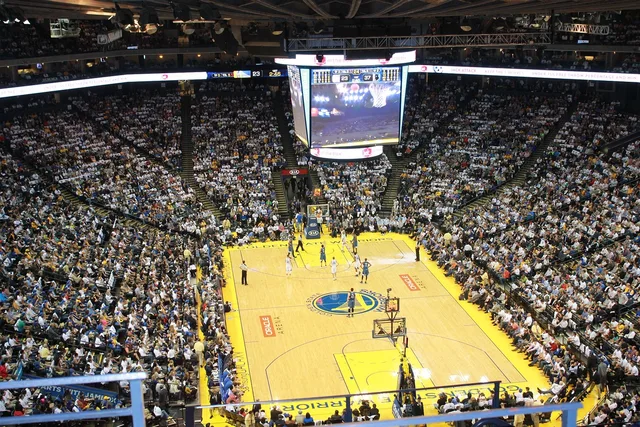
Sports. The governing body decides who may hold a stake, and its approval is not a formality. The NBA, NFL, MLB, NHL and MLS each vet buyers and require league approval before an ownership interest changes hands, and each applies its own control and debt rules. That gate is why stakes in this sector trade slowly and at a discount to what the same money would buy elsewhere, a point the sports ownership page develops.
Technology. The valuable thing is often a set of customer contracts, and enterprise contracts routinely let the customer walk on a change of control. A buyer therefore prices the risk that the revenue it is buying can leave.
What a name-attached venture adds to all of this
In every sector above, one asset is unusual: the right to use a person's name, image and likeness. It is almost never owned by the operating company outright. It is licensed, and the license has a term, a territory, a list of categories and a clause about what happens if the person's conduct becomes a problem. Behind it sits the right of publicity, a state-law right that the person holds and the company usually does not.
That means a buyer may not be buying the name at all, or may buy it for a shorter period than the business plan assumes. Where the name drives the purchase, the deal is two deals: an operation acquisition and a license renegotiation with someone who has little reason to be generous.
The acquisitions and exits portfolio page follows what happens to that license after closing.
Questions to ask about any sale in these categories
- Is this a share sale or an asset sale, and if assets, what is on the list?
- Which contracts require consent, and has anyone asked yet?
- Which permits are issued to the operator rather than to the site?
- Who owns the mark, in which classes, and for how long does the buyer get to use it?
- Which guild, union or league agreements does the seller sign, and does the buyer become the signatory or the approved owner?
- What happens to the person's obligations, and are they enforceable at all?
- Which employees are being offered new contracts, and which are simply expected to arrive?
Those answers live in the lease, the license, the permit file and the collective bargaining agreements, not in the press release. The celebrity companies by industry page covers the same sectors from the other end, at the point when a venture is being built rather than sold.
Common questions
Why do deals in food service take so long?
Because the two things a buyer needs, a lease and a permit, are both controlled by someone with no stake in the sale. A landlord and a health or liquor licensing agency work to their own calendars.
Is a share sale always simpler?
It is simpler to transfer and harder to price, because the buyer inherits the liabilities as well. Buyers who want a clean list buy assets; sellers who want to be finished prefer shares.
Can a person's name be sold with the business?
The trademark can be assigned if the person or their entity owns it, but the right of publicity behind a name is a state-law right, and a license to use a name is a contract with terms and an end date. Read who holds the registration before assuming anything.
Does an industry pattern tell me anything about a specific deal?
It tells you which gatekeeper to expect and which questions to ask first. The terms themselves live in the contract, the league or guild filing and the permit file, and those get read deal by deal.